They Didn't Know the Camera Was Still On. The UK Saw Everything.
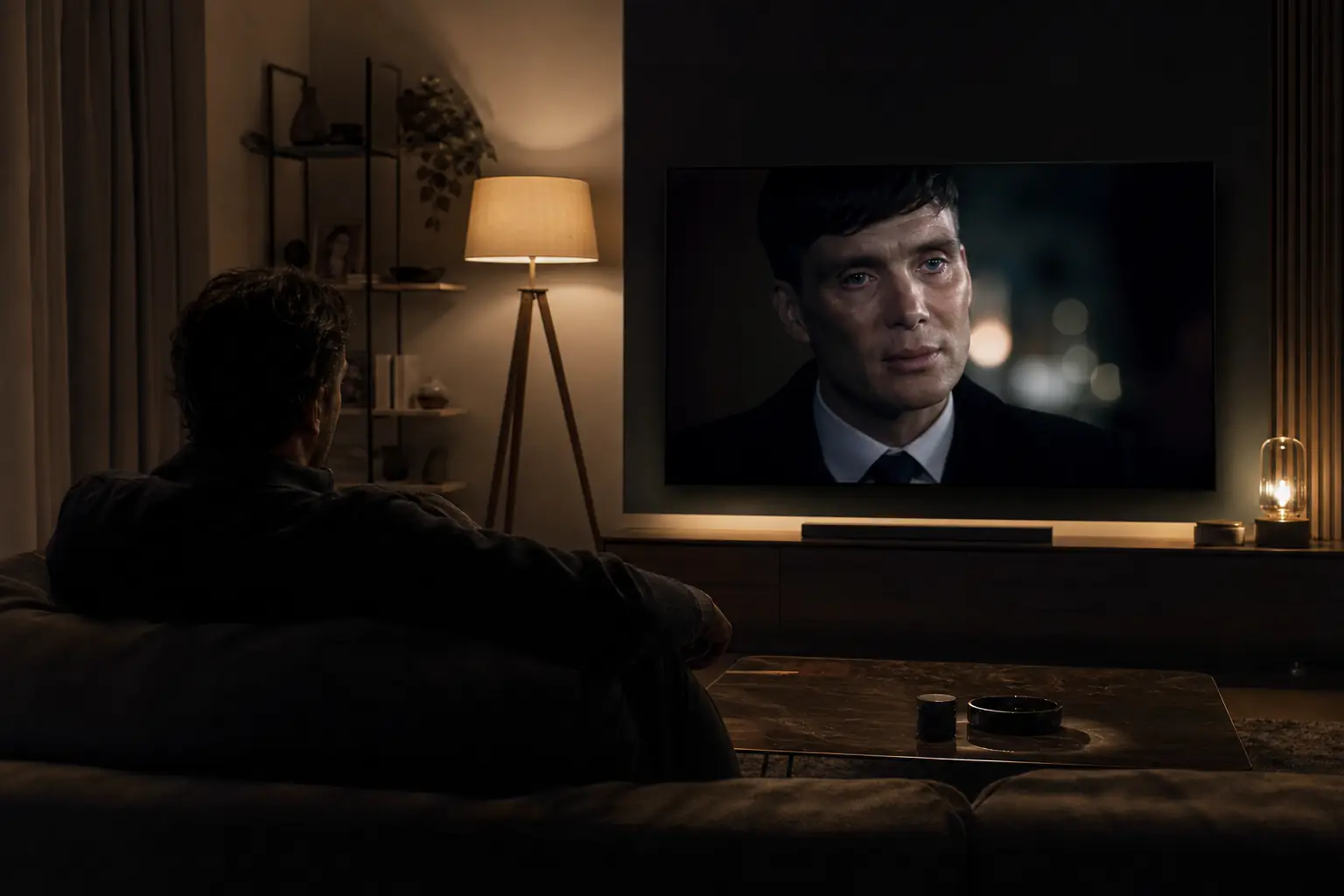
Nobody pressed stop. It was live, it was real, and for a few unscripted seconds, the moment carried on with nobody realising the camera was still on it. Clips like that get replayed everywhere — shared, paused, argued about. But almost nobody watching has actually seen them properly.
That's not because the footage is low quality. British broadcasting has never shot or graded better. The problem sits between the broadcast suite and your living room: a piece of hardware that was never designed to deliver everything the production team intended. Your television has been quietly discarding detail — in the shadows, in faces, in fast motion — every single time you watch. And because you have nothing to compare it against, you've never known what you're missing.
"The director chose that shot carefully. Your screen decided it wasn't worth showing properly."
Why Faces Are the Most Obvious Place to Start
Consider any significant moment in British broadcasting over the past decade. A resignation. A title won in the final minute. A verdict announced live. Directors always cut to the room — the bench, the crowd, the colleagues who didn't know the cameras were on them.
Those are the frames that carry the actual weight of a moment. A jaw that tightens almost imperceptibly. The shine in someone's eyes before the tears arrive. The half-breath before someone decides to hold it together. These are the details that separate watching television from actually feeling it.
On a properly calibrated OLED screen, those micro-expressions are visible. On a mid-range LCD — anything with edge-lit backlight technology under 400 nits — the shadow detail that contains those expressions is compressed out of existence. You see that something is happening. You don't see what it is.
What a standard panel does to low-light faces
LCD panels with VA or TN backlighting crush midtones in mixed lighting conditions. Human skin in partial shadow — the most common lighting situation in drama and live broadcasting — loses the tonal range that carries emotion. The image looks fine until you see the same content on OLED. Then you understand what fine actually means.
The Broadcast Quality That Never Arrives
UK broadcasters have invested heavily in production technology. Streaming services deliver 4K HDR. Live sport is graded for high dynamic range. Nature documentary series are mixed on reference monitors that cost more than most cars. All of that investment is made with one assumption: that the viewer has a display capable of delivering the result.
That assumption is wrong for the majority of British households. The HDR signal arrives, and a standard LCD tone-maps it — compressing the highlights, lifting the blacks, flattening the very contrast that HDR was designed to provide. The grade was there. The television decided not to use it.
OLED panels sidestep this problem entirely. Because each pixel generates its own light independently, there is no backlight to limit contrast. Blacks are not dark grey — they are genuinely black. Highlights can reach their full value without affecting the surrounding image. The result is that the HDR grade the colourist intended actually reaches the viewer.
Where the Gap Is Most Visible
Some content exposes the difference between capable and incapable screens more dramatically than others:
British drama — particularly post-2020 BBC and Channel 4 productions — is now routinely shot and graded with OLED-grade displays in mind. The visual texture of a candlelit room. The detail in a face against a window. The way darkness works in a scene rather than just sitting behind it. These are things an LCD panel cannot render faithfully.
Top-flight football in HDR — the contrast between a floodlit pitch and the shadow of the stand above it, the sharpness of a player's number at full sprint, the way the ball moves through different light conditions during a single attack. At 120Hz with OLED motion handling, live football looks materially different to anything you've seen on a standard panel.
Major live broadcasts — the BBC's outside broadcast teams are exceptional. The colour, the spatial depth of a large location, the ability to hold detail in sky and shadow simultaneously. This work is wasted on a television that cannot separate those values from each other.
"The crew spent weeks getting the grade right for a screen like this. Most viewers watched it through something that ignored all of it."
What Actually Changes With the Right Screen
People who switch from a mid-range LCD to a quality OLED consistently report the same thing: it feels like watching for the first time. Not because of novelty. Because the content that was always there is finally visible.
Specifically:
- Faces in low light carry emotion rather than just suggesting it
- Dark drama sequences reveal their intended visual depth rather than dissolving into grey
- Sports footage at high frame rates becomes physically sharp instead of motion-blurred
- Colour is rendered as it was graded — saturated without looking artificial, accurate without looking flat
You don't need to be interested in television technology to notice any of this. You just need to sit in front of the right screen once.
The Screens Worth Buying
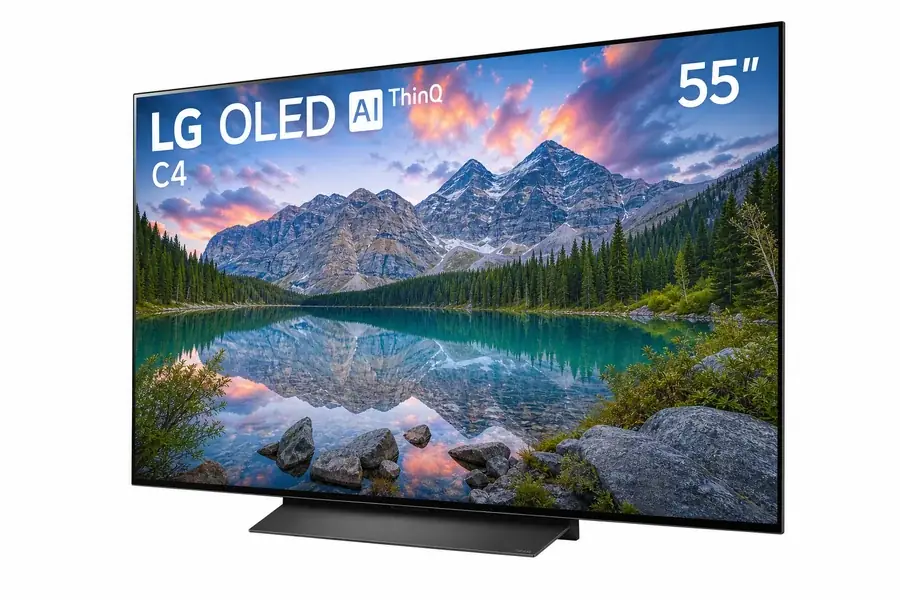
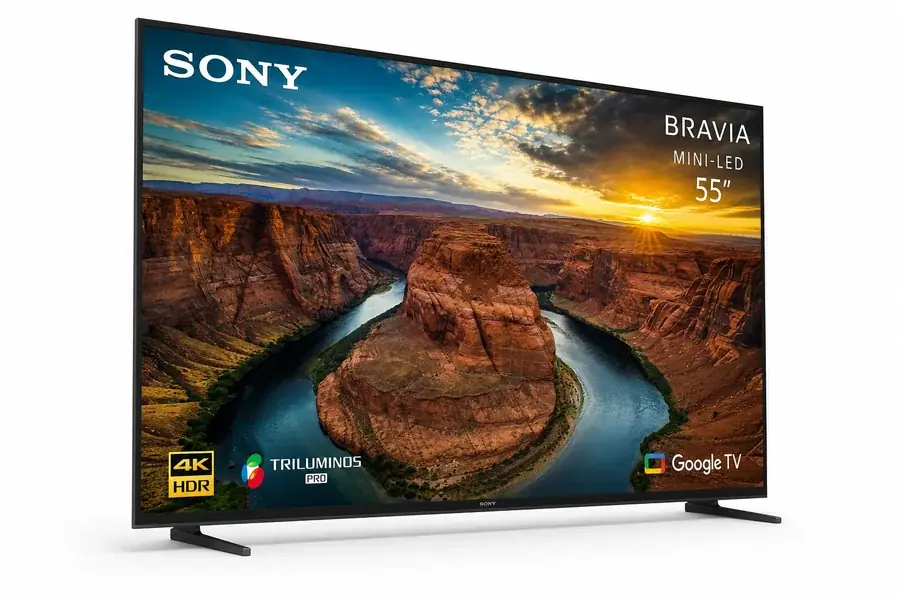
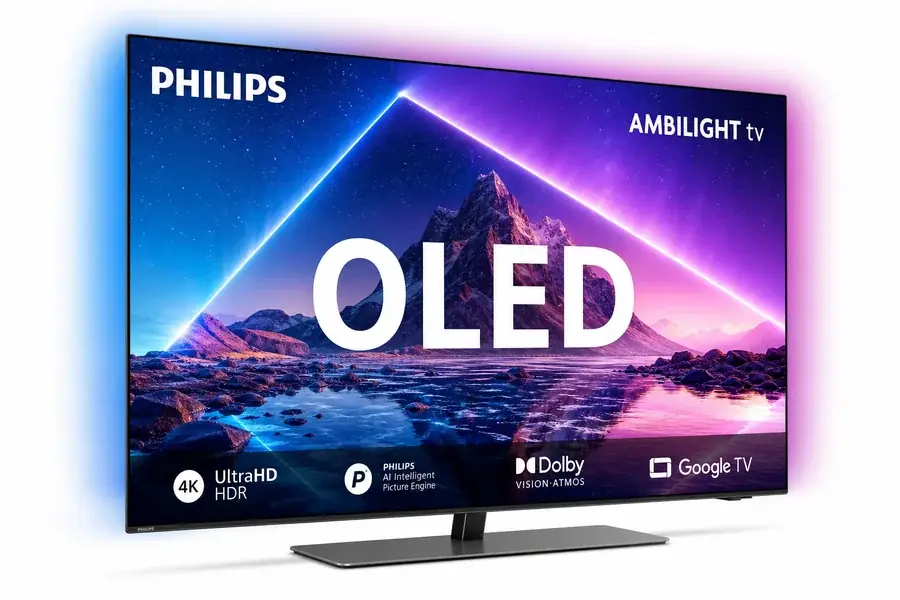
These are our current picks for British TV viewing — selected specifically because they handle the picture quality challenges that UK broadcasting creates.